
Why Is the Hoover Dam Famous? 7 Incredible Facts
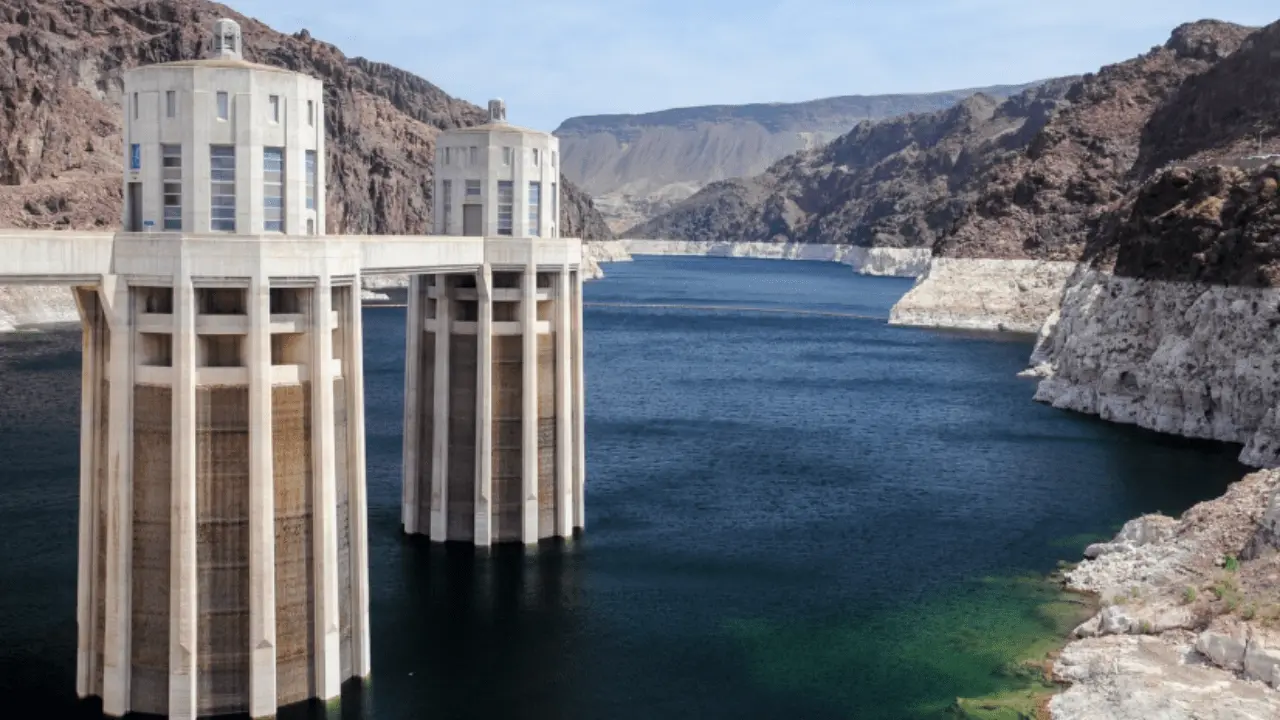
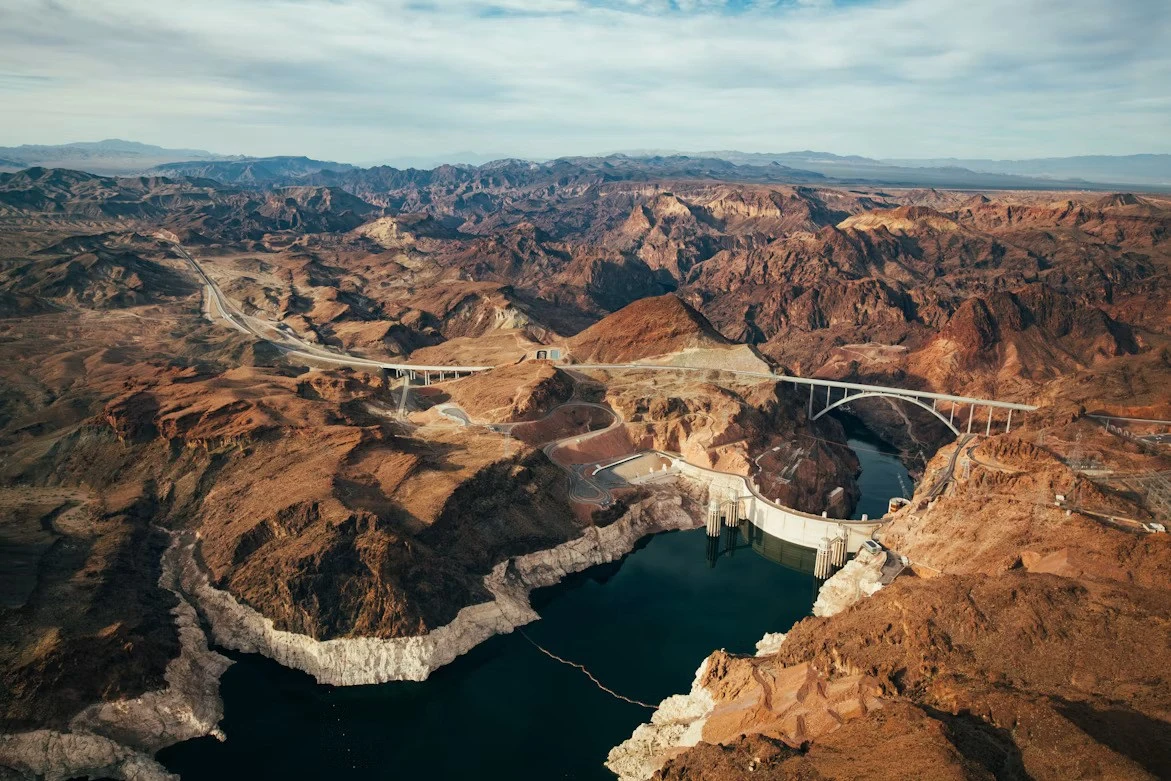
Hoover Dam transformed the American Southwest, controlling the Colorado River and producing power for communities across the region. The monumental structure in Black Canyon is as compelling for its human story as it is for its size.
From Las Vegas, it is an easy landmark to pair with time on the river and a guided kayaking adventure.
1. A Landmark Engineering Achievement
When work began in 1931, a project of this scale had never been attempted. Crews diverted the river through four enormous tunnels and placed millions of cubic yards of concrete to form an arch-gravity dam once recognized as the world’s tallest.
It rises 726.4 feet, spans 1,244 feet, and is 660 feet thick at its base—dimensions that still make its completion ahead of schedule remarkable.
2. A Great Depression Lifeline
More than 21,000 people contributed to the project during the Great Depression, with thousands working on site at its peak. Boulder City grew to house workers and families, while crews faced extreme heat, difficult tunnel conditions, and dangerous work.
3. Control for the Colorado River
Before the dam, floods and drought made the river unreliable for downstream farms and communities. Its storage and flow-control role brought greater stability to Nevada, Arizona, California, and the wider Southwest.
4. The Creation of Lake Mead
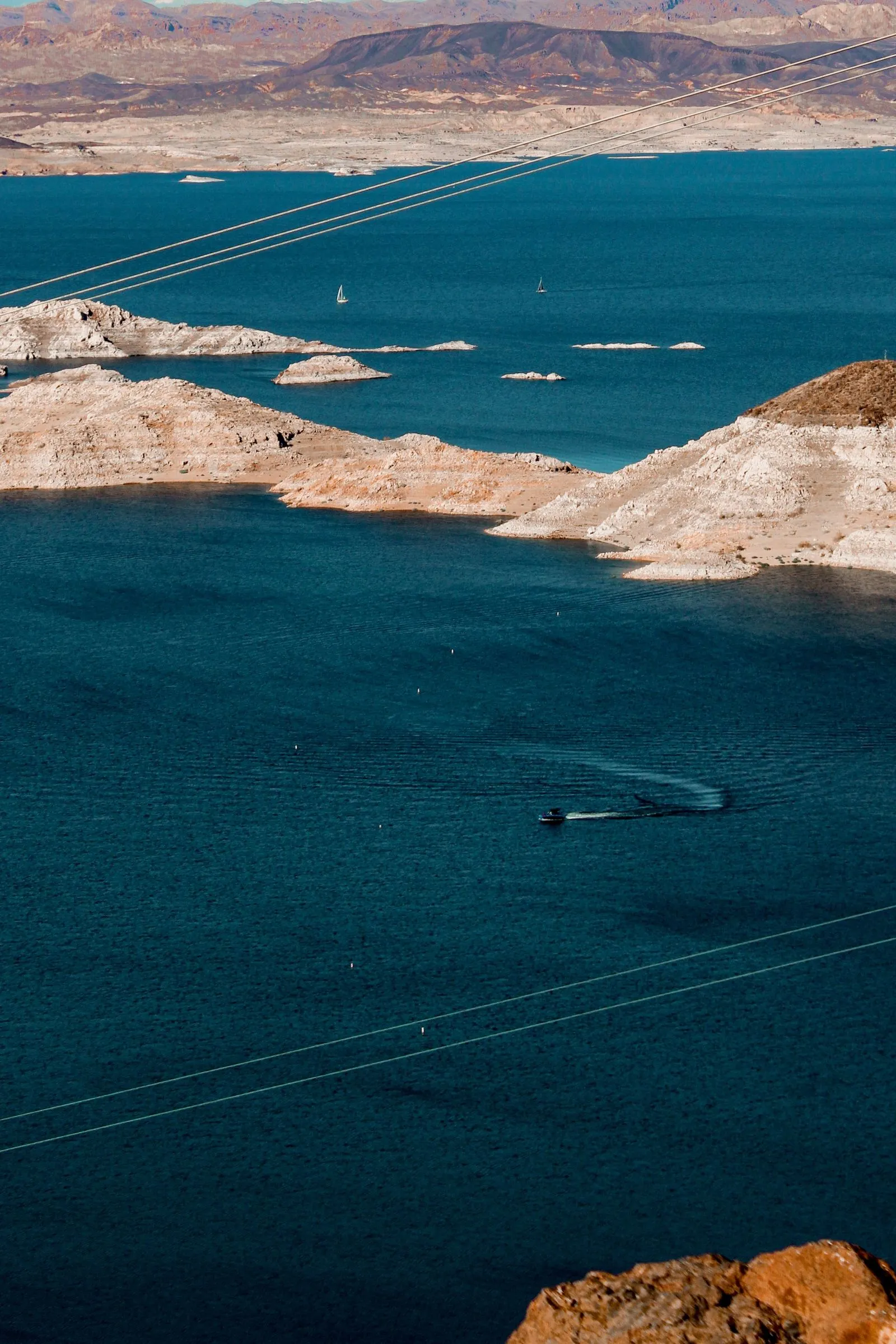
Holding back the Colorado River created Lake Mead, the nation’s largest reservoir by capacity. In addition to water storage, Lake Mead National Recreation Area has become a destination for boating, fishing, swimming, paddling, scenic drives, and wildlife watching.
5. Hydroelectric Power at a Massive Scale
The powerhouse continues to send electricity to Nevada, Arizona, and California. With roughly 2,080 megawatts of installed capacity, it helped make reliable power available for the growth of Southwestern cities and industry.
6. A Design That Changed Dam Building
The dam’s curved profile transfers water pressure into the canyon walls, an efficient approach that influenced later projects around the world. Art Deco towers, bronze details, sculptures, and symmetry give its working infrastructure the presence of a monument.
7. It Was Once Known as Boulder Dam
The project’s name shifted with the politics of its era. Although originally associated with President Herbert Hoover, “Boulder Dam” was widely used during construction; Congress restored the official Hoover Dam name in 1947.
The dam’s engineering, water, power, and history all explain its fame—but its true scale is best appreciated in person. A visit can be the beginning of a bigger Black Canyon adventure.
FAQs
What’s special about Hoover Dam?
It reshaped the Southwest by taming the Colorado River, storing water, limiting floods, and producing hydroelectricity. Its scale and Depression-era construction story have also made it an American engineering icon.
Who owns Hoover Dam now?
The U.S. federal government owns the dam. The Bureau of Reclamation, within the Department of the Interior, operates its water-storage and power systems.
How many years will Hoover Dam last?
The concrete structure was designed for centuries of service and is regularly inspected and maintained. Sediment accumulation in Lake Mead is among the important long-term considerations.
Is Hoover Dam still curing today?
Mass concrete hardens and releases heat very slowly. Cooling pipes accelerated the process during construction, while some gradual curing continues deep within the structure.
Recent Posts
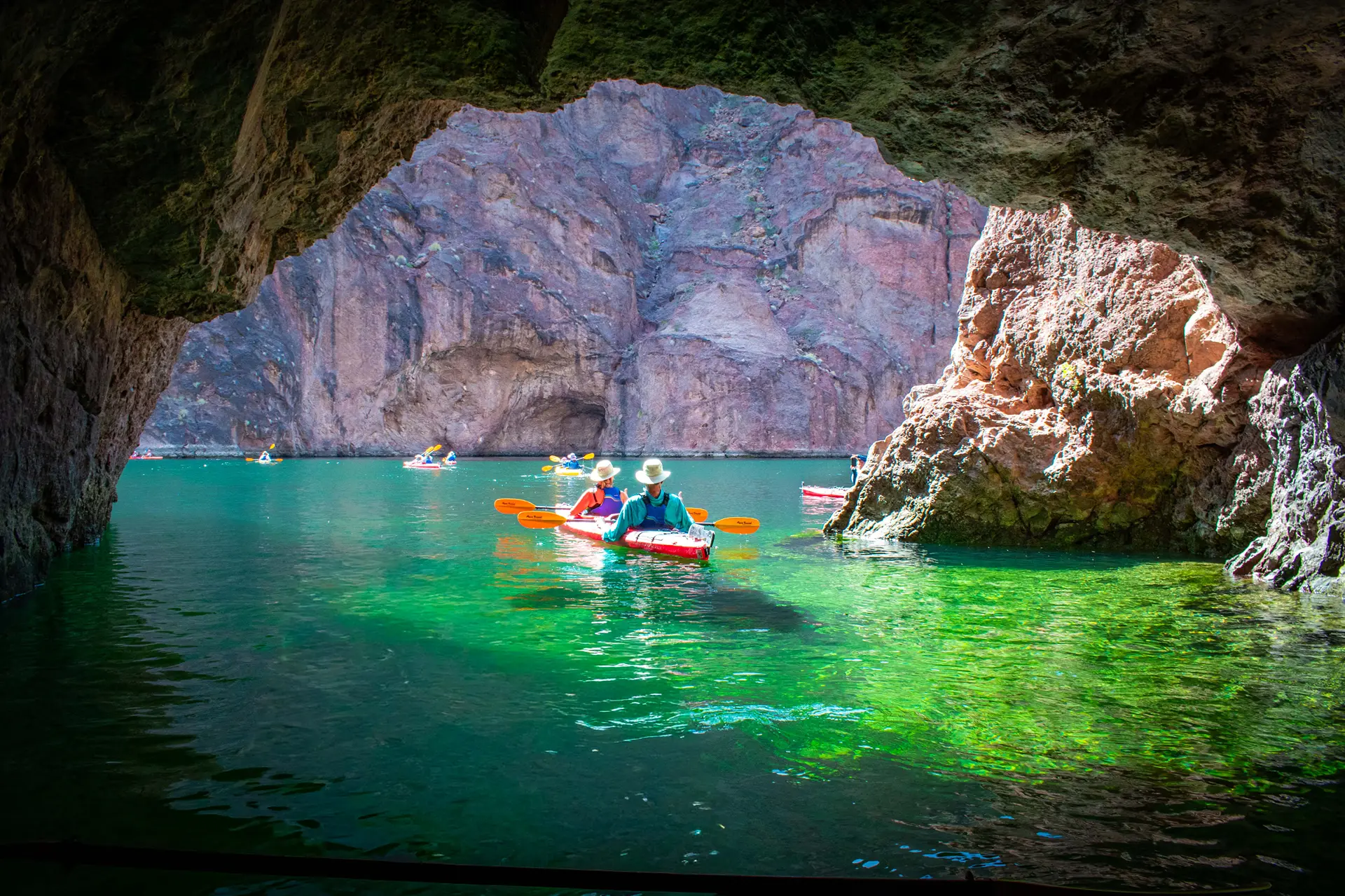
Halloween Weekend in Las Vegas: A River Adventure Beyond the Strip
Halloween weekend in Las Vegas: kayak Emerald Cave on a three-hour guided tour through Black Canyon, about one hour from the Strip.
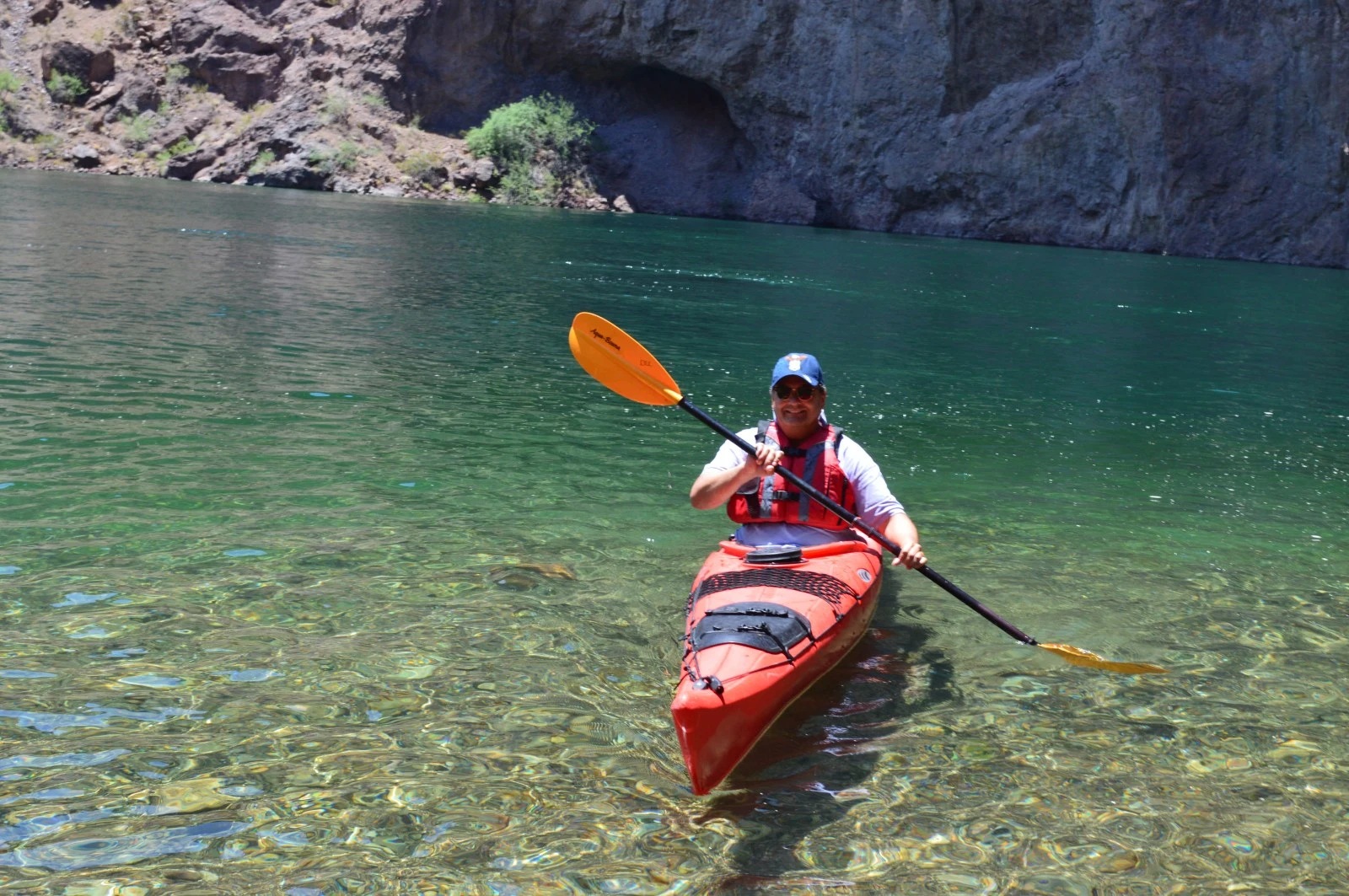
How To Paddle A Kayak Properly For Beginners: A Guide for First-Time Paddlers
Learning how to paddle a kayak is not difficult, but the right technique makes your time on the water easier, safer, and more enjoyable.
How Far Is Hoover Dam from the Grand Canyon? Travel Guide
Learn how far Hoover Dam is from Grand Canyon West, the South Rim, and the North Rim, with drive times and road trip planning tips.
Experience Black Canyon Up Close
Follow a Hoover Dam visit with a guided paddle through the dramatic Colorado River canyon.