
Top 7 Must-Visit Hot Springs in the United States (2026)
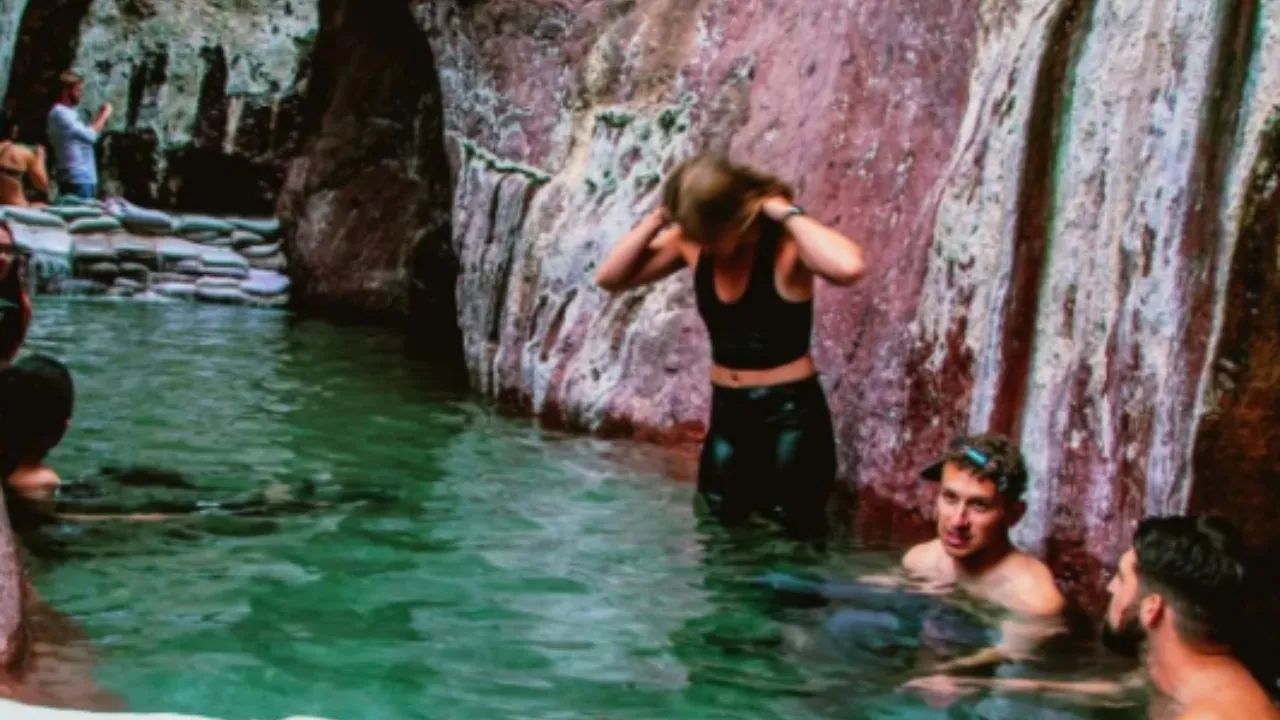
America’s hot springs range from wild riverside pools to historic bathhouses and polished resorts. This guide highlights seven places with distinct scenery, soaking styles, and seasons to consider before you go.
1. Yellowstone Hot Springs: Wyoming
The Yellowstone region combines geothermal drama with mountain scenery. While many thermal features inside the park are protected and unsafe for soaking, the Gardiner area offers legal options such as Boiling River conditions permitting and the developed Yellowstone Hot Springs resort.
2. Glenwood Hot Springs: Colorado
Glenwood Springs is home to one of the country’s best-known geothermal pools. Naturally heated mineral water, a huge main pool, and the quieter Spa of the Rockies make it a comfortable choice for families and travelers looking for a full-service soak. Nearby Iron Mountain Hot Springs offers another modern option.
3. Chena Hot Springs: Alaska
Near Fairbanks, Chena pairs warm water with a far-north atmosphere. Its outdoor rock lake is especially memorable during aurora season, generally September through April, when steam rises into cold air beneath the Northern Lights.
4. Travertine Hot Springs: California
Just outside Bridgeport in the Eastern Sierra, Travertine is a free, natural collection of rock pools with broad views of mountains and desert. It is an unfussy experience on public land: pack everything out, respect other visitors, and be prepared for changing conditions.
5. Pagosa Hot Springs: Colorado
Pagosa Springs draws mineral-rich water from a deep geothermal source into pools beside the San Juan River. With a broad mix of temperatures and a riverfront setting, it is an easy place to linger and alternate between warm water and fresh mountain air.
6. Ojo Caliente: New Mexico
Ojo Caliente is among the nation’s oldest operating health resorts, known for naturally sulfur-free water and a rare mix of minerals. Nine pools span roughly 80°F to 105°F, creating a tranquil desert retreat with an emphasis on quiet soaking.
7. Hot Springs National Park: Arkansas
This national park protects historic thermal springs and Bathhouse Row. Visitors cannot soak in outdoor pools within the park, but Buckstaff Bathhouse and Quapaw Baths & Spa provide the classic bathhouse experience; Display Spring and Hot Water Cascade are worthwhile viewing stops.
Best Time to Visit Each Hot Spring
Spring and fall offer mild weather at many western destinations, while winter brings striking steam-and-snow scenes in Colorado and Alaska. Summer works well for high-country locations but can be hot and crowded in desert regions. Always confirm reservations, weather, and site rules before traveling.
A Unique Hot Springs Adventure in the Southwest
For a more active geothermal outing, Black Canyon near Las Vegas adds Colorado River kayaking, canyon hiking, warm pools, and desert wildlife to the experience.
Recent Posts
Halloween Weekend in Las Vegas: A River Adventure Beyond the Strip
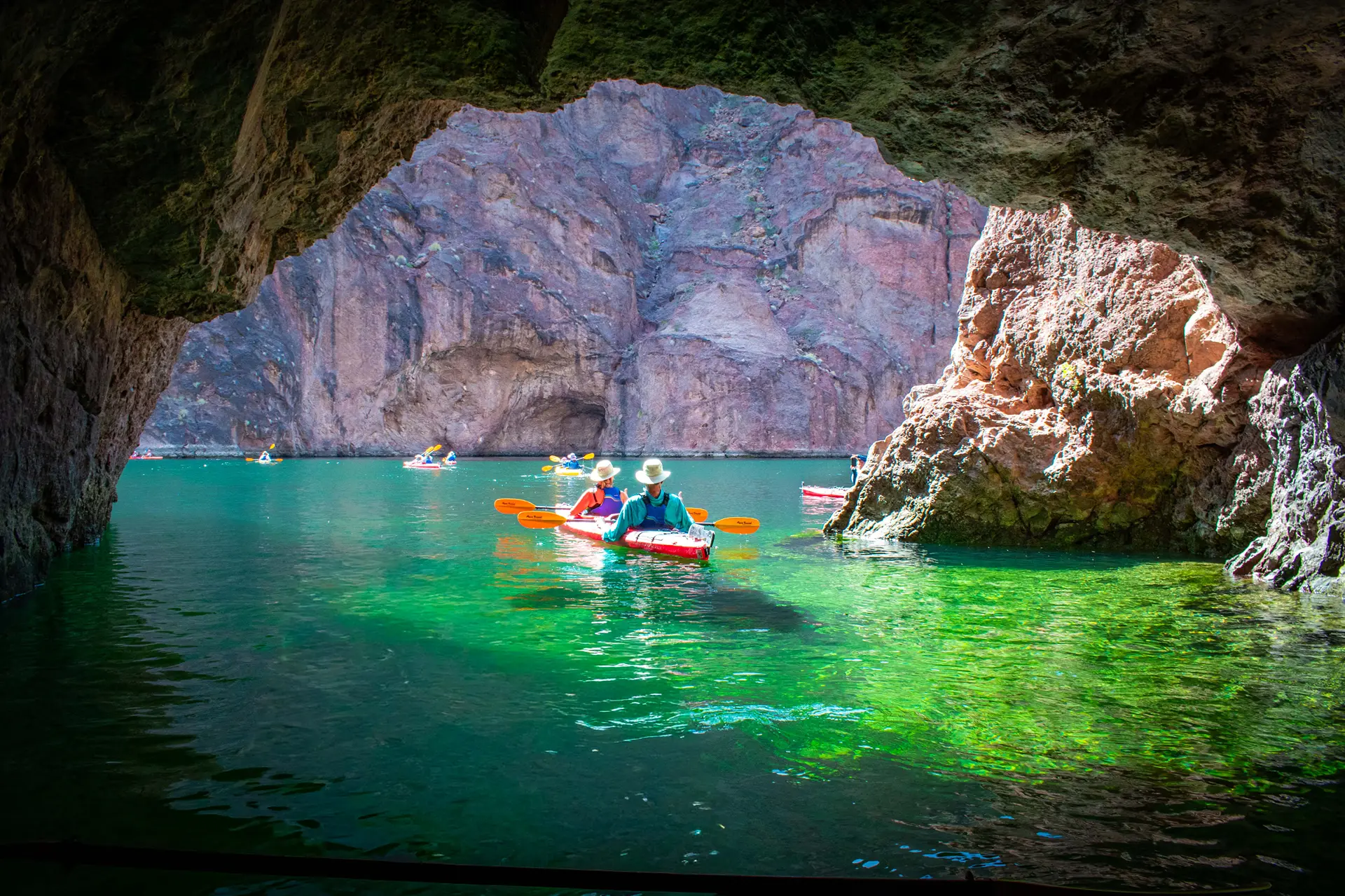
Halloween weekend in Las Vegas: kayak Emerald Cave on a three-hour guided tour through Black Canyon, about one hour from the Strip.
How To Paddle A Kayak Properly For Beginners: A Guide for First-Time Paddlers
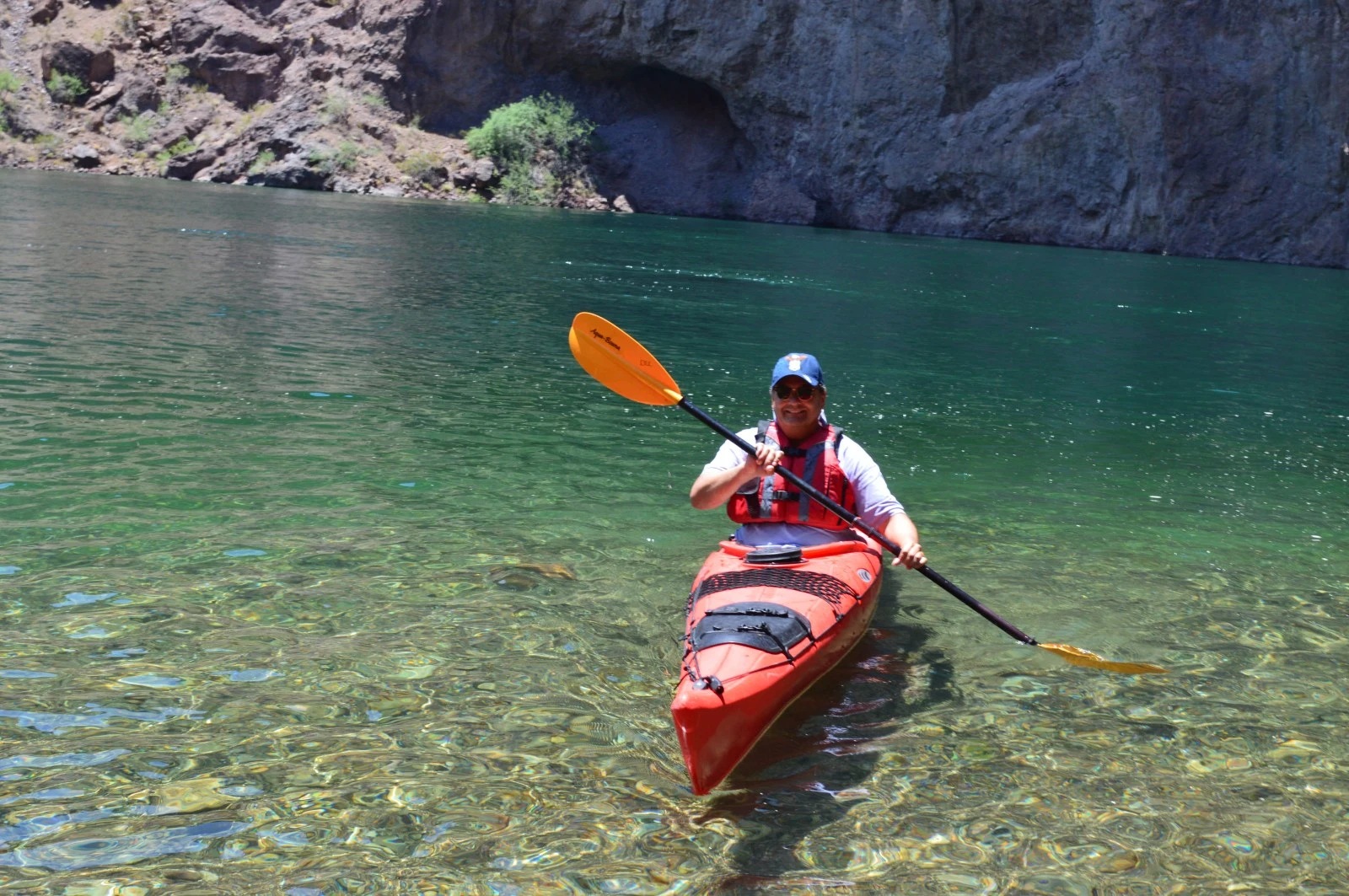
Learning how to paddle a kayak is not difficult, but the right technique makes your time on the water easier, safer, and more enjoyable.
How Far Is Hoover Dam from the Grand Canyon? Travel Guide
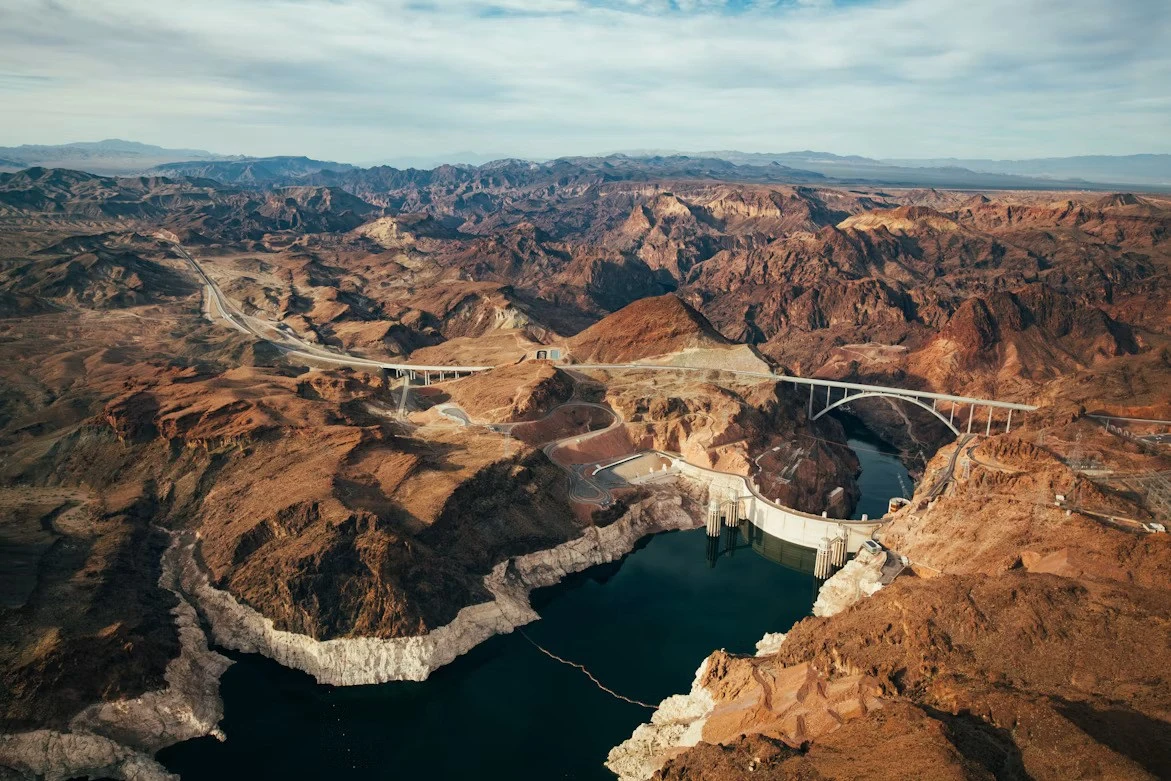
Learn how far Hoover Dam is from Grand Canyon West, the South Rim, and the North Rim, with drive times and road trip planning tips.
Find Your Southwest Escape
Pair a Colorado River paddle with Black Canyon scenery and a memorable hot springs hike.
View Kayak Tours