
How Long Does Kayak Take? - Average Kayak Speed Guide
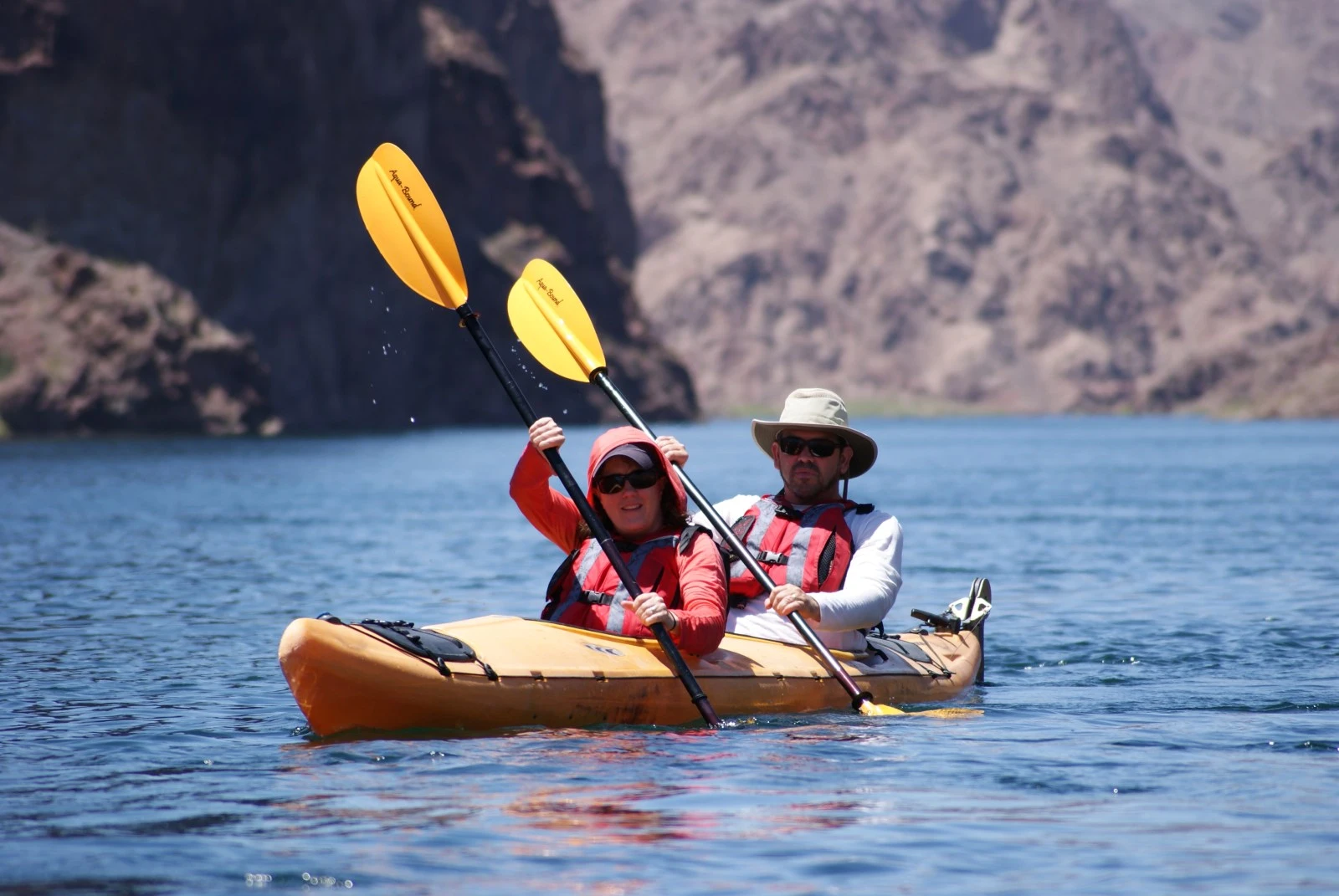
On quiet water, most kayakers cover about two to three miles per hour. That number moves up or down with your technique, boat, gear, weather, and the water beneath you.
Knowing your likely pace makes it easier to plan a comfortable route—and improve without turning a good paddle into a race.
How Long Does It Take to Kayak? Average Kayak Speed by Distance
At a two-to-three mph pace, one mile generally takes 20–30 minutes, two miles takes 40–60 minutes, and five miles takes about two to two-and-a-half hours. Allow four to five hours for 10 miles and six to seven-and-a-half hours for 15 miles, before breaks.
What Is the Average Kayak Speed (and Why It Varies)
New paddlers often start near 2 mph, practiced recreational paddlers approach 3 mph, and strong paddlers may briefly reach 4 mph. Two to three knots translates to roughly 2.3–3.5 mph.
A kayak’s length also matters: longer touring hulls tend to glide more efficiently than short recreational boats. A simplified hull-speed formula is 1.34 × the square root of waterline length in feet.
Why Speed Matters More Than You Think
Pace determines how far you can reasonably travel, how long a route will take, and how much energy remains at the end. On a six-mile outing, the difference between 2 and 3 mph is about an hour—so use speed for planning, not pressure.
Real Conditions Change Everything
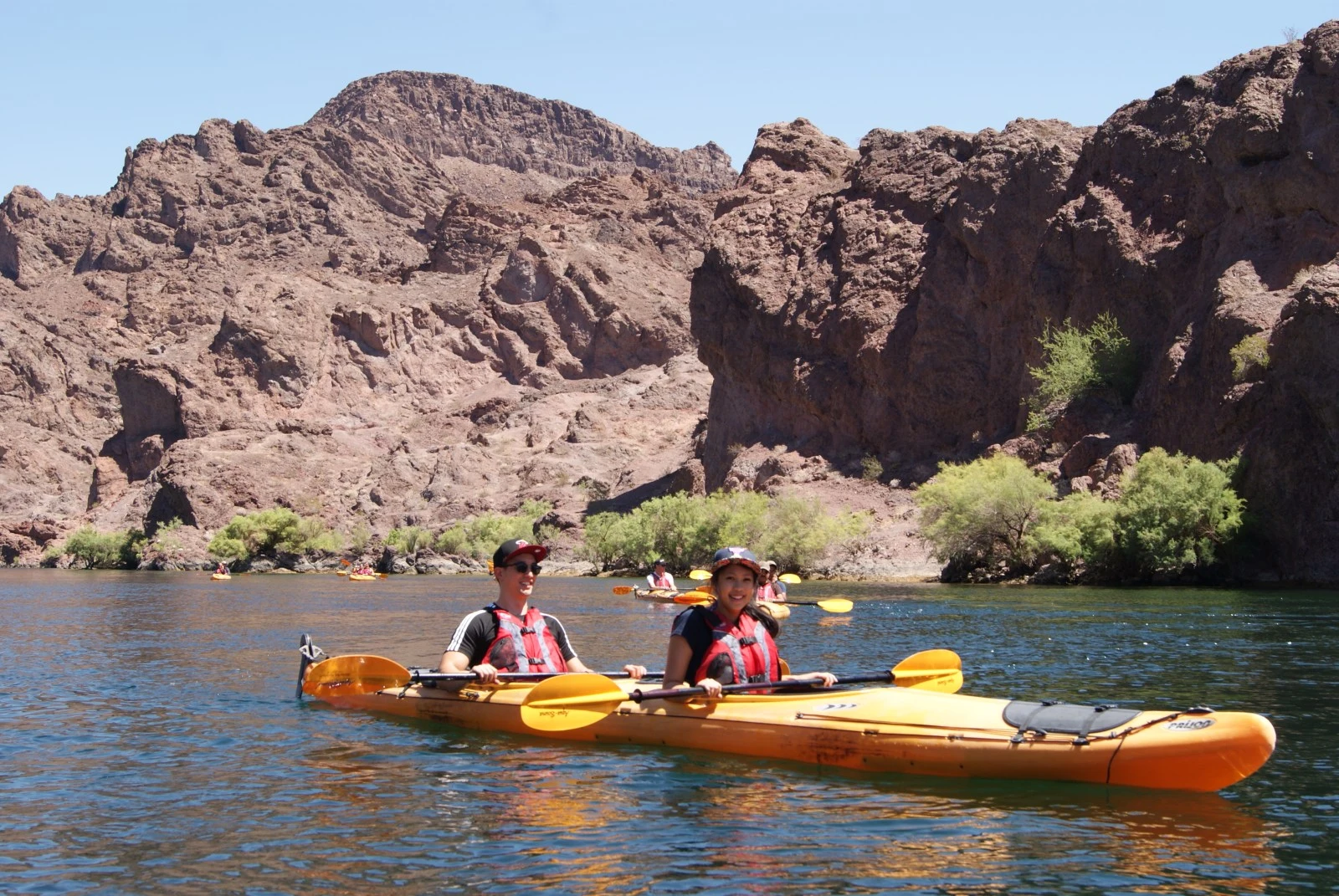
Wind and current can outweigh your effort. A headwind slows each stroke, while a tailwind or downstream current can add meaningful speed. Cold water can also tire the body more quickly, even when the surface looks calm.
Tip 1: Fix Your Paddle Stroke First
Power the stroke with torso rotation rather than your arms alone, using light pressure against the foot braces. Plant the blade near your feet, keep it close to the hull, and release near your hips. A higher-angle stroke suits short bursts; a relaxed low-angle stroke is often better for steady distance.
Tip 2: Sit Right or Lose Speed
Sit upright with an engaged core and a connected lower body. Slouching shortens reach, adds strain, and gradually drains power from each stroke.
Tip 3: Match Your Kayak to Your Goal
Short, wide recreational kayaks are reassuringly stable but slower over distance. Touring boats track and glide well, while sea and racing kayaks favor speed at the cost of greater skill. Flat hulls prioritize stability, V-shaped hulls cut resistance, and rounded hulls sit between those extremes.
How Paddle Choice Affects Average Kayak Speed
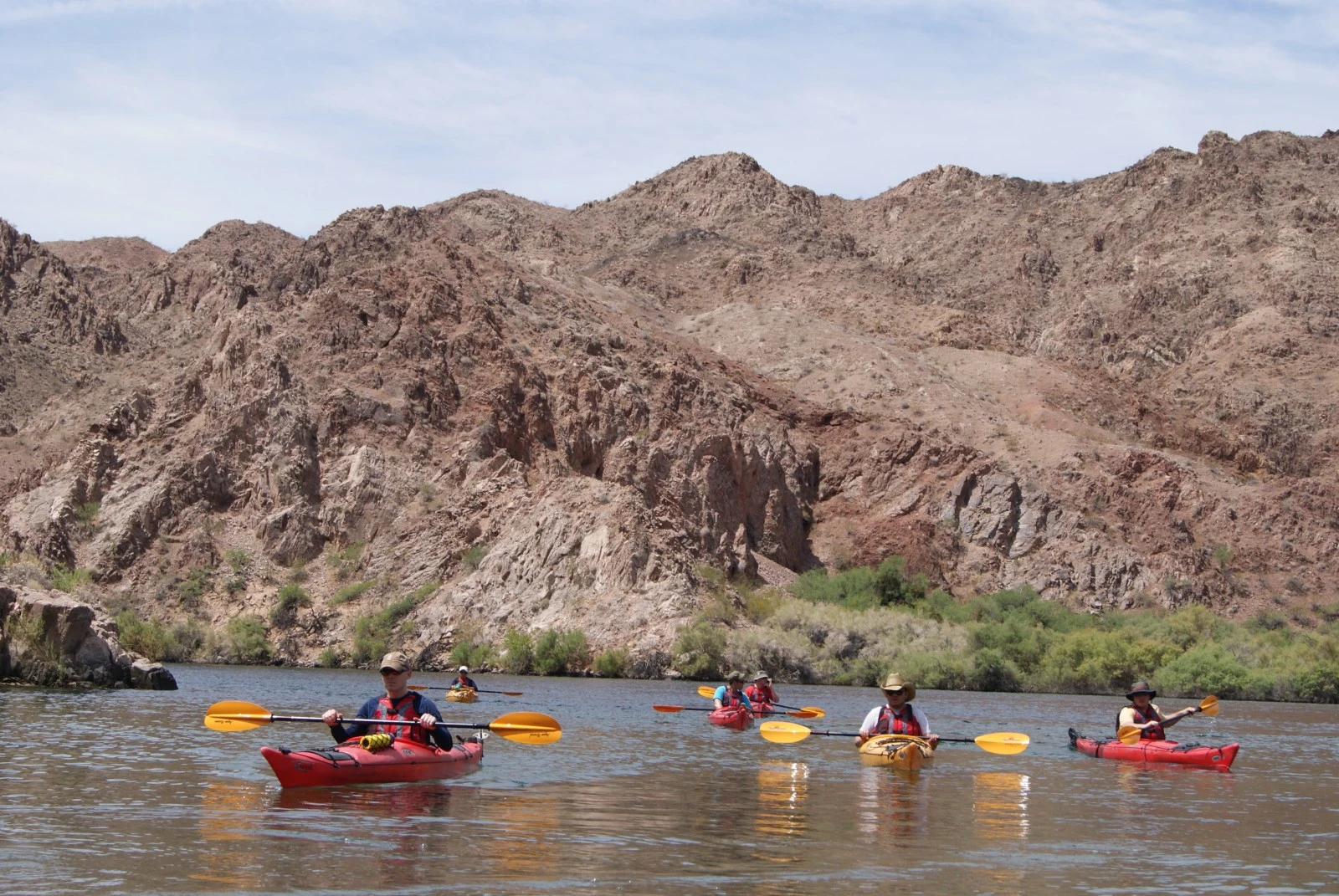
A lighter paddle helps preserve rhythm and reduce fatigue on longer trips. Larger blades provide more immediate power but require more effort; smaller or narrower blades support a sustainable cadence. Shaft material, secure grip, and a feathered blade angle can further improve comfort and wind handling.
Tips 4–7: Read the Water, Find Rhythm, Pack Light, and Dress for It
Choose smoother water when possible and check the wind before setting out—morning is often calmer near Willow Beach. Favor a repeatable rhythm over hurried strokes, pack only what you need, and dress for water temperature rather than air temperature. In cold water, a wetsuit or drysuit and sensible layers help keep muscles responsive.
Tip 8: Learn From Guided Trips
A guided paddle provides real-time coaching on grip, strokes, pacing, turns, and river awareness. On a beginner-friendly guided kayaking tour, you can learn in changing canyon conditions with the proper boat, paddle, PFD, and safety equipment already arranged.
What Slows You Down Without You Noticing
Over-gripping the paddle, uneven strokes, fading posture, fighting the wind at the wrong angle, and carrying excess weight can quietly cost momentum. Correcting even one of these habits can make the kayak feel noticeably easier to move.
How Fast Should You Expect to Go?
Use about 2 mph as a beginner benchmark, 2.5–3 mph for a casual paddler, and 3–4 mph for a strong paddler in favorable conditions. Smooth, efficient movement is more valuable than chasing a top number.
How Long It Takes to Kayak Common Distances
At 2 mph, three miles takes about 90 minutes and 10 miles about five hours. At 3 mph, those distances are about one hour and three hours 20 minutes; at 4 mph, about 45 minutes and two-and-a-half hours. Build in time for stops, wind, current, launch and landing, and the pace of your group.
Average Kayak Speed by Kayak Type
Recreational kayaks generally average 2–2.5 mph; touring boats 3–4 mph; sea kayaks 3.5–5 mph; fishing kayaks 1.5–2.5 mph; and racing kayaks 5–7+ mph. The best pace comes from reading conditions and moving steadily, not simply pulling harder.
FAQs
What is a good average kayak speed for a beginner?
A beginner commonly travels around 2 mph in calm conditions. With comfortable technique and regular practice, many paddlers settle into a 3 mph pace.
How long does it take to kayak a mile?
Plan on roughly 20 to 30 minutes for one mile at a relaxed average pace. Wind, current, breaks, and group pace can all add time.
What slows down a kayak?
Headwinds, opposing current, rough water, extra gear, poor posture, and uneven strokes all reduce forward progress. Better technique is often more effective than simply paddling harder.
Recent Posts
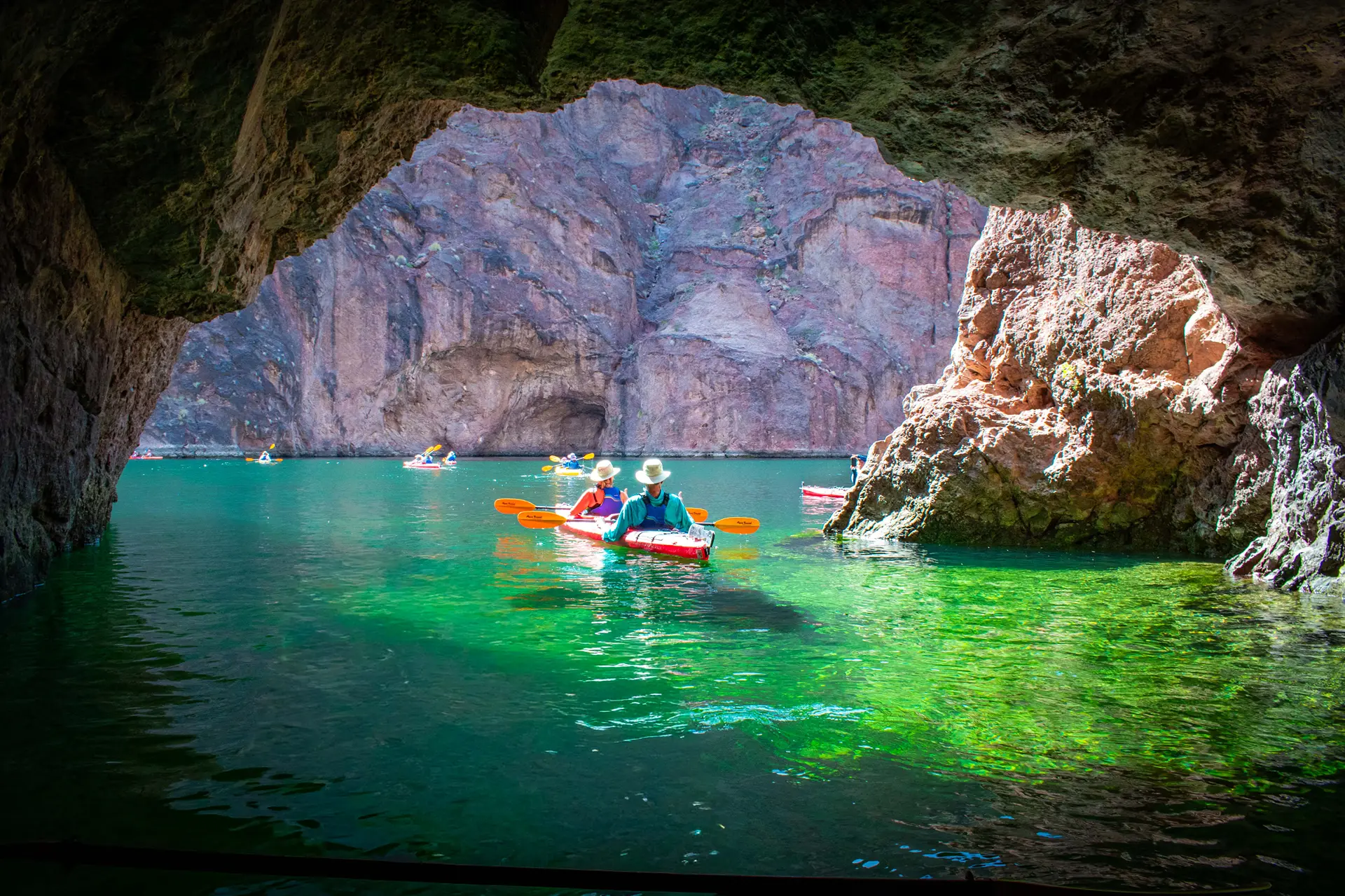
Halloween Weekend in Las Vegas: A River Adventure Beyond the Strip
Halloween weekend in Las Vegas: kayak Emerald Cave on a three-hour guided tour through Black Canyon, about one hour from the Strip.
How To Paddle A Kayak Properly For Beginners: A Guide for First-Time Paddlers
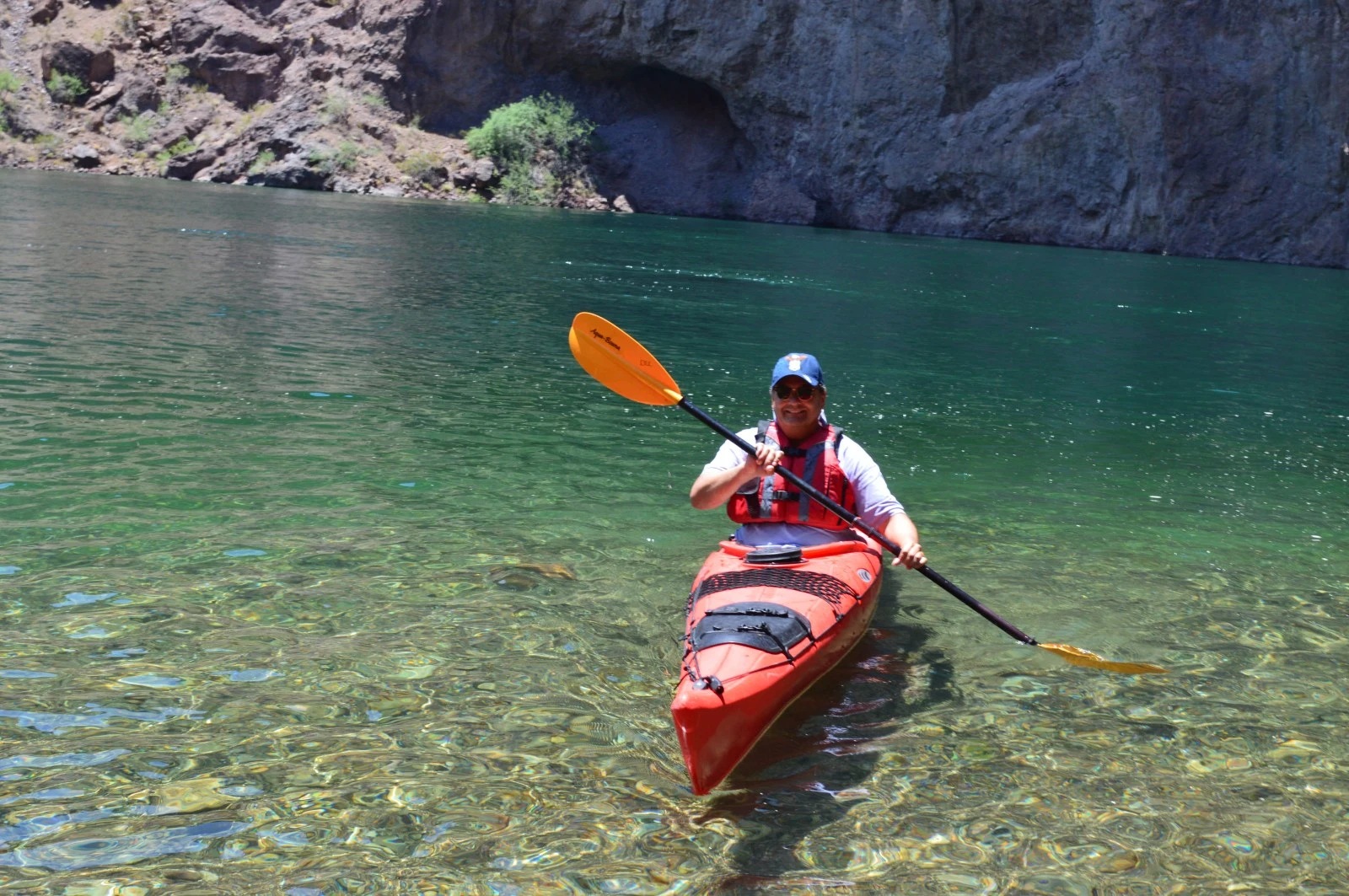
Learning how to paddle a kayak is not difficult, but the right technique makes your time on the water easier, safer, and more enjoyable.
How Far Is Hoover Dam from the Grand Canyon? Travel Guide
Learn how far Hoover Dam is from Grand Canyon West, the South Rim, and the North Rim, with drive times and road trip planning tips.
Put Your Paddle Skills to Work
Explore Black Canyon with a knowledgeable guide and build confidence on the water.